
Every strong piece of writing leans on comparison, and that is exactly where the Simile vs Metaphor question comes in. Both are figures of speech that link two unlike things to create vivid, memorable imagery, yet they work in noticeably different ways.
Understanding the real difference in the Simile vs Metaphor discussion helps you write clearer essays, sharper social captions, and more persuasive marketing copy. This guide walks through definitions, history, modern usage, and the small mistakes that trip up even confident writers.
What Is the Difference Between Simile and Metaphor?
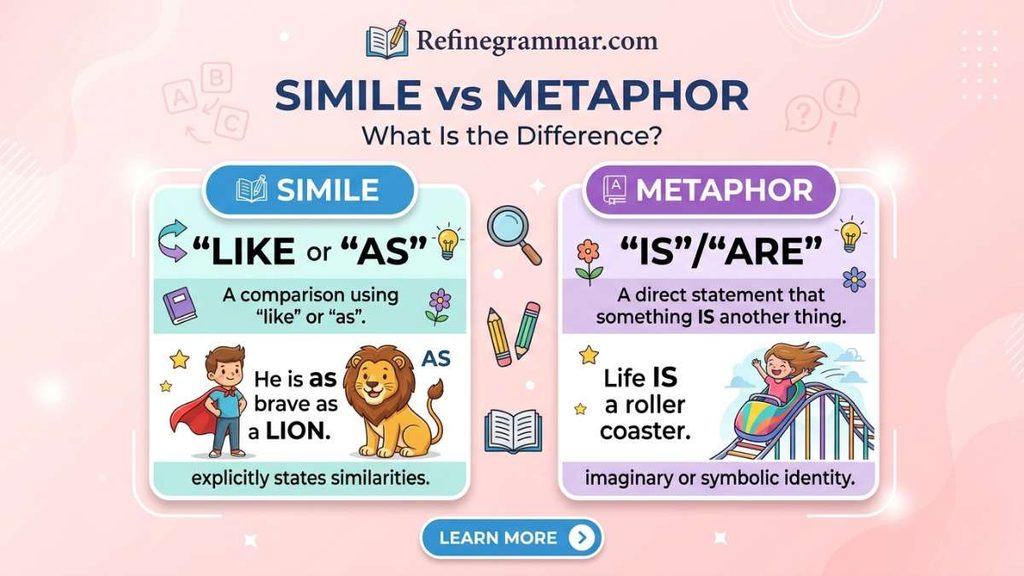
The short answer to the Simile vs Metaphor debate is structure. A simile openly signals a comparison using connecting words such as “like” or “as.” A metaphor skips that signal and states outright that one thing is another. Both devices exist to make an abstract feeling or idea easier to picture, but the level of directness sets them apart.
Simile: Clear and Direct Comparison
A simile tells the reader exactly what is being compared by using “like” or “as.” For example, “Her laugh was like music” or “He ran as fast as a cheetah.” Because the comparison word is visible, a simile is usually easier to spot and easier to understand on a first read. This makes similes a favorite tool for descriptive writing, children’s books, and instructions where clarity matters.
Metaphor: Strong and Implied Comparison
A metaphor removes the comparison word and claims a direct identity between two things: “Her laugh was music” or “He was a cheetah on the track.” Because there is no “like” or “as” to soften the statement, a metaphor lands with more force. Readers have to do a bit more interpretive work, which often makes the image stick longer in memory. This is one reason the Simile vs Metaphor choice matters so much in persuasive and creative writing.
[Photo suggestion: side-by-side simile vs metaphor visual]
Historical Origins of Similes and Metaphors
Long before modern style guides existed, thinkers were already studying how comparisons shape language and persuasion.
Ancient Roots in Greek Thought
Aristotle discussed metaphor at length in his work on poetics, describing it as the ability to see similarity between things that appear unrelated. Greek rhetoricians treated both simile and metaphor as tools of persuasion, used in speeches, poetry, and drama to make arguments more vivid and easier to remember.
Development in English Literature
Centuries later, English writers such as Geoffrey Chaucer and William Shakespeare built entire passages around figurative comparison. Shakespeare’s plays are full of metaphor (“All the world’s a stage”) alongside similes used for lighter, more explanatory moments. This literary tradition is a big reason the Simile vs Metaphor conversation is still taught in classrooms today.
Simile vs Metaphor in American English Today
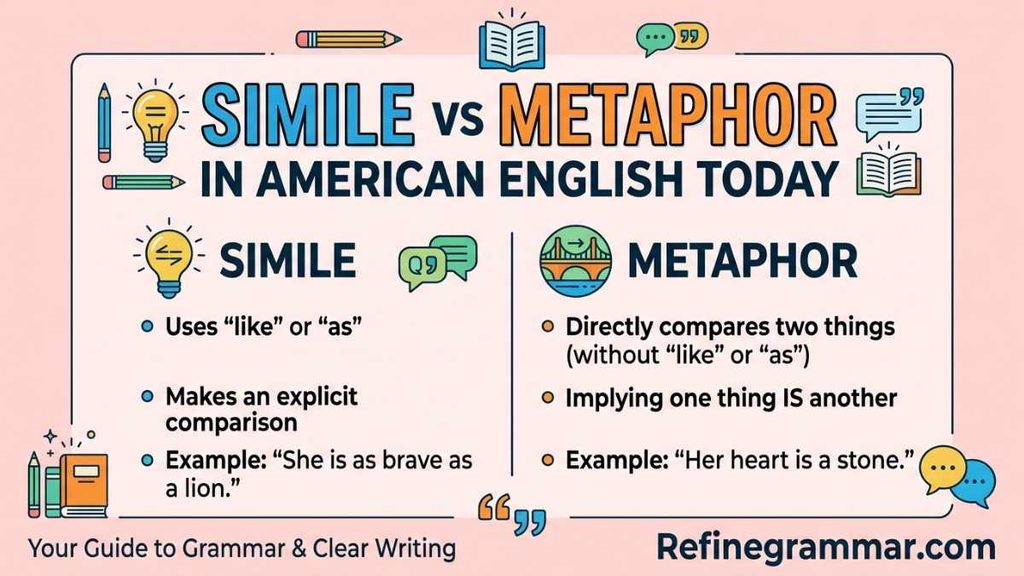
In everyday American English, the Simile vs Metaphor distinction shows up far more often than most speakers realize, from casual conversation to national ad campaigns.
Common Usage in Daily Language
People use similes constantly without noticing: “busy as a bee,” “cool as a cucumber,” “light as a feather.” Metaphors slip in just as naturally: “time is money,” “life is a journey,” “that meeting was a marathon.” Both patterns are so common that native speakers rarely stop to label them.
In Media and Advertising
Brands lean on metaphor to build identity and emotion in just a few words, turning a product into a feeling rather than a list of features. Similes, on the other hand, are useful when a brand wants to compare a benefit directly, such as claiming a mattress feels “like sleeping on a cloud.”
[Photo suggestion: example ad or media snippet using a metaphor]
Simile vs Metaphor Examples Table
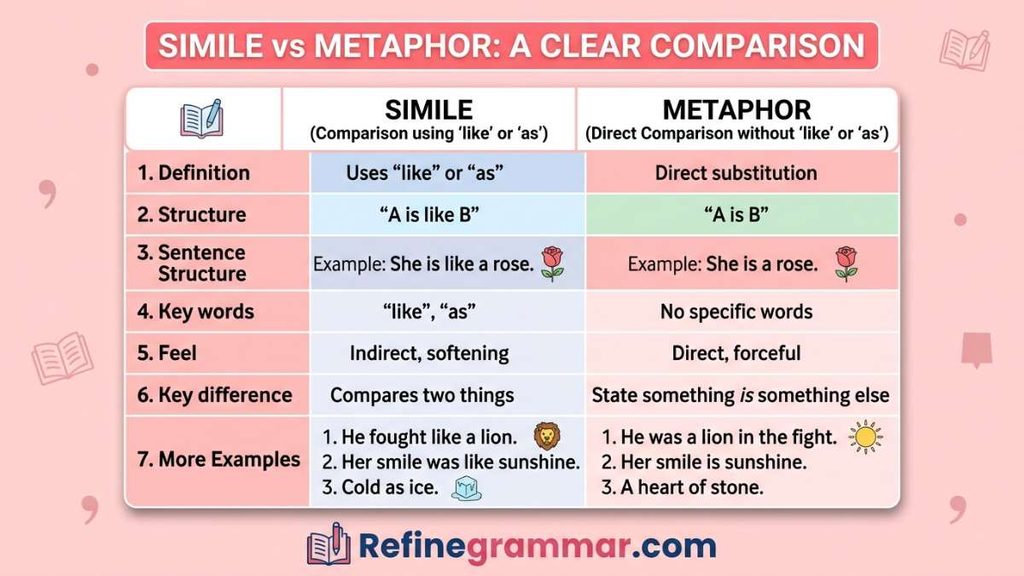
The table below lays out a quick, side-by-side view of the Simile vs Metaphor pattern using common examples.
[Photo suggestion: table graphic or infographic]
| Type | Example | Why It Works |
| Simile | Her smile was as bright as the sun. | Uses “as” to compare warmth and light directly. |
| Metaphor | Her smile was sunshine. | States identity for a stronger, more compact image. |
| Simile | He fought like a lion. | “Like” signals bravery through direct comparison. |
| Metaphor | He was a lion in the boardroom. | Implies fierce confidence without a connecting word. |
| Simile | The classroom was as quiet as a library. | Clear, easy-to-picture comparison for readers of any age. |
| Metaphor | The classroom was a library during the exam. | Suggests total silence in a single, direct statement. |
Emotional and Psychological Impact
Comparisons don’t just decorate a sentence; they change how a reader feels and processes meaning, which is at the heart of every Simile vs Metaphor choice a writer makes.
Why Similes Feel Safer
Because a simile openly flags itself as a comparison, it gives the reader room to interpret the connection at their own pace. This softer approach feels less demanding and less confrontational, which is why similes often appear in gentle, explanatory, or instructional writing.
Why Metaphors Feel Stronger
Metaphors ask the brain to merge two ideas into one, a process linguists such as George Lakoff have linked to deeper cognitive engagement. That extra mental effort is exactly what makes metaphors feel bolder, more emotional, and more persuasive than a comparable simile.
Learn More: Emaculate vs Immaculate: Avoid This Common Mistake
Modern Usage in Social Media and Pop Culture
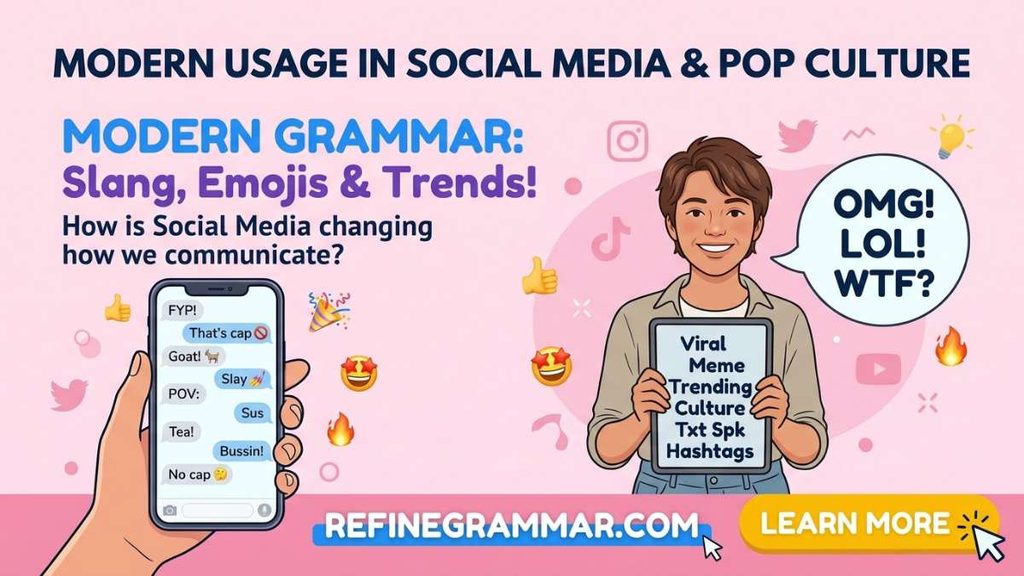
Social platforms have given both simile and metaphor new life, and the Simile vs Metaphor pattern is easy to spot once you start scrolling.
Similes in Everyday Posts
Captions like “feeling like a million bucks” or “this weekend flew by like a dream” use simile to add color without sounding overly dramatic, which fits the casual tone most feeds are built around.
Metaphors in Identity and Trends
Trending phrases such as “main character energy” or describing a personal transformation as a “glow-up era” are metaphors at their core, turning an abstract feeling into a shareable identity label.
[Photo suggestion: social media post example]
Cross-Cultural Perspectives
Comparison is universal, but the exact images a language reaches for can vary widely.
Shared Global Patterns
Many cultures independently reach for nature-based comparisons, using animals, weather, and light as shorthand for human traits, which suggests the Simile vs Metaphor instinct is a basic part of how humans think, not just an English quirk.
Differences Across Cultures
Idioms rarely translate word for word. A simile that sounds natural in one language, such as comparing bravery to a specific local animal, may sound confusing or even comedic once translated literally into another language.
Common Mistakes and Misunderstandings
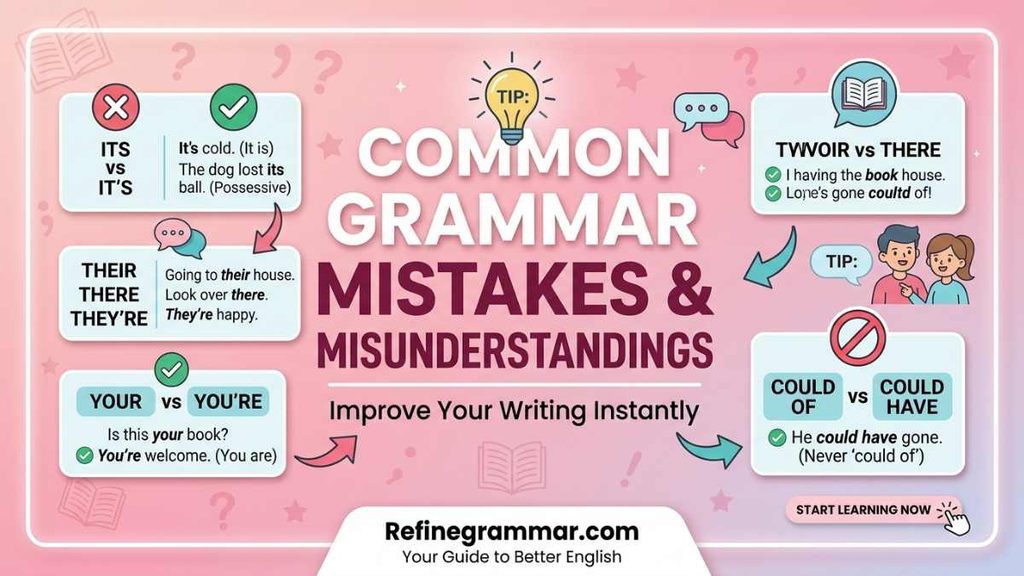
Even confident writers occasionally blur the line in the Simile vs Metaphor comparison.
Mixing Up Structure
The most common mistake is simply mislabeling one for the other, usually because a writer focuses on the meaning of a sentence and forgets to check whether “like” or “as” is present.
Overusing Metaphors
Piling on too many metaphors in one paragraph, or mixing metaphors that clash (“we need to iron out this minefield”), confuses readers instead of impressing them. A little restraint goes a long way in any strong Simile vs Metaphor strategy.
How Their Meanings Have Shifted Over Time
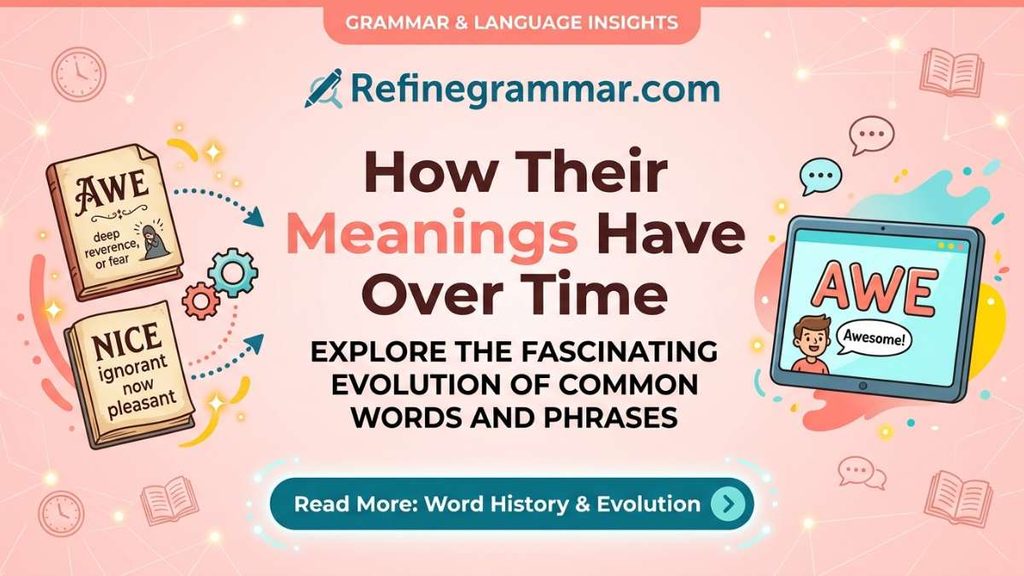
Language never stands still, and the way people use figurative comparison has shifted noticeably across generations.
From Formal to Everyday Use
What once belonged mainly to poetry and formal rhetoric now shows up in text messages, memes, and product slogans, proof that the Simile vs Metaphor toolkit has become part of everyday communication rather than a purely literary device.
Blurring of Boundaries
Casual speech has also started using “like” as filler rather than a true comparison word (“I was like, so surprised”), which can make it harder for newer English learners to tell a genuine simile from ordinary speech patterns.
FAQs
What is simile and metaphor with examples?
A simile compares two things using “like” or “as,” such as “brave as a lion.” A metaphor states one thing is another, such as “he is a lion in battle.”
What is the main difference between simile and metaphor?
A simile signals comparison with “like” or “as,” while a metaphor states a direct identity without those words.
Is “I slept like a log” a metaphor?
No, it is a simile because it uses the comparison word “like.”
Is “I slept like a baby” a simile or metaphor?
It is a simile, since it compares sleep to a baby’s sleep using “like.”
What are the three types of metaphors?
The main categories are standard metaphors, implied metaphors, and extended metaphors that develop across several sentences.
What are 5 examples of a metaphor?
Examples include “time is money,” “she has a heart of stone,” “the world is a stage,” “he is a night owl,” and “life is a journey.”
Can you give me a list of metaphors and similes?
Yes: metaphors like “time is money” and similes like “busy as a bee” both appear throughout this guide’s examples table.
What are 10 metaphors?
Common ones include “time is money,” “life is a journey,” “heart of stone,” “night owl,” “a sea of troubles,” “drowning in paperwork,” “the world is a stage,” “a ray of sunshine,” “an early bird,” and “a couch potato.”
Is “You are my sunshine” a metaphor?
Yes, it is a metaphor because it states a direct identity without using “like” or “as.”
Why are metaphors considered stronger than similes?
Metaphors merge two ideas into one direct statement, which requires more mental engagement and often leaves a stronger emotional impression.
Final Thought
The Simile vs Metaphor choice ultimately comes down to how directly you want to compare two ideas. Similes offer clarity and gentle imagery, while metaphors deliver punch and emotional weight. Mastering both gives any writer a sharper, more flexible voice.
