
Mixing up stared vs starred happens to nearly every English learner, and even a lot of native speakers trip over it. Both words trace back to different root verbs, and once you see the split, you won’t confuse them again. This guide breaks down stared vs starred with clear examples, tables, and practice so the difference sticks for good.
Difference Explained with Precision
At the core, the stared vs starred question comes down to two separate verbs. “Stared” is the past tense of stareto look fixedly at something. “Starred” is the past tense of starto feature as a lead or to mark with a star symbol. They sound almost identical, but their meanings don’t overlap at all.
Quick Comparison Table
| Word | Base Verb | Meaning | Example |
| Stared | Stare | Looked fixedly | She stared at the horizon. |
| Starred | Star | Featured or marked | He starred in the film. |
Deep Explanation with Context
Understanding the stared vs starred meaning requires looking at where each word came from. “Stare” is an old verb describing a visual action you fix your eyes on something, often without blinking. “Star,” on the other hand, connects to the noun star: a bright celestial object, or by extension, a leading performer. Add “-ed” to each, and you get two past-tense forms that look close on paper but function in totally different sentences.
Expanded Usage Table
| Context | Correct Word | Sample Sentence |
| Eye contact | Stared | The cat stared at the bird for minutes. |
| Movie credit | Starred | The actress starred alongside a famous lead. |
| Marking a document | Starred | She starred the pages that needed review. |
| Silence and shock | Stared | He stared in disbelief at the results. |
Important Insight
Here’s a trick worth remembering: if you can swap the word for “looked intensely,” you need stared. If you can swap it for “featured” or “marked,” you need starred.
Complete Functional Understanding

So what is stared, exactly, in grammatical terms? It’s the simple past and past participle of the verb stare, an intransitive verb that usually pairs with “at.” Functionally, “stared” describes a state of attention. It doesn’t take a direct object on its ownyou stare at someone, not stare someone.
Expanded Usage Table
| Sentence | Correct? | Why |
| She stared him. | No | Missing preposition “at.” |
| She stared at him. | Yes | Correct intransitive use. |
| He starred her. | No | Wrong verb entirely. |
| He starred in the show. | Yes | Correct use with “in.” |
Key Insight
“Starred” almost always pairs with “in” (starring in a movie) while “stared” pairs with “at” (staring at a person or object). That single preposition often gives away which word you need.
Clear Analytical Comparison
Spelling is where most of the confusion starts. “Stare” has one syllable ending in a silent “e,” so adding “-d” gives you stared. “Star” is a short, one-syllable word ending in a single consonant after a vowel, so English spelling rules double the “r” before adding “-ed,” producing starred.
Analytical Comparison Table
| Feature | Stared | Starred |
| Root word | Stare | Star |
| Letter count | 6 | 7 |
| Consonant doubling | No | Yes |
| Part of speech | Verb (past tense) | Verb (past tense) / Adjective |
| Common preposition | at | in |
Advanced Clarity
A useful shortcut: count the “r’s.” Stared has one. Starred has two. This tiny detail solves most spelling mix-ups instantly, and it works faster than trying to remember grammar rules mid-sentence.
Usage Table
| Word | R Count | Memory Cue |
| Stared | 1 | Think “stare” plus “d.” |
| Starred | 2 | Think “star” plus doubled “r.” |
Advanced Insight
Autocorrect tools sometimes flag “starred” as a typo, since it looks unusual with two r’s. Trust the spelling rule, not the red squiggly line.
How to Use “Starred” in a Sentence
Knowing the stared use in sentence patterns for “starred” helps you apply it correctly across writing styles, from casual notes to professional reviews. Common patterns include:
- Marking importance: “I starred the key paragraphs for later.”
- Entertainment credits: “She starred in three award-winning films.”
- Favoriting something: “He starred the email to revisit it.”
Usage Table
| Sentence Type | Example |
| Marking documents | I starred the sections needing edits. |
| Film credits | The movie starred two Oscar winners. |
| Email/app action | She starred the message in her inbox. |
Advanced Insight
Notice how “starred” works as both a verb and, in phrases like “a starred review,” an adjective describing something marked with a star rating.
Common Mistakes in Stared vs Starred Grammar
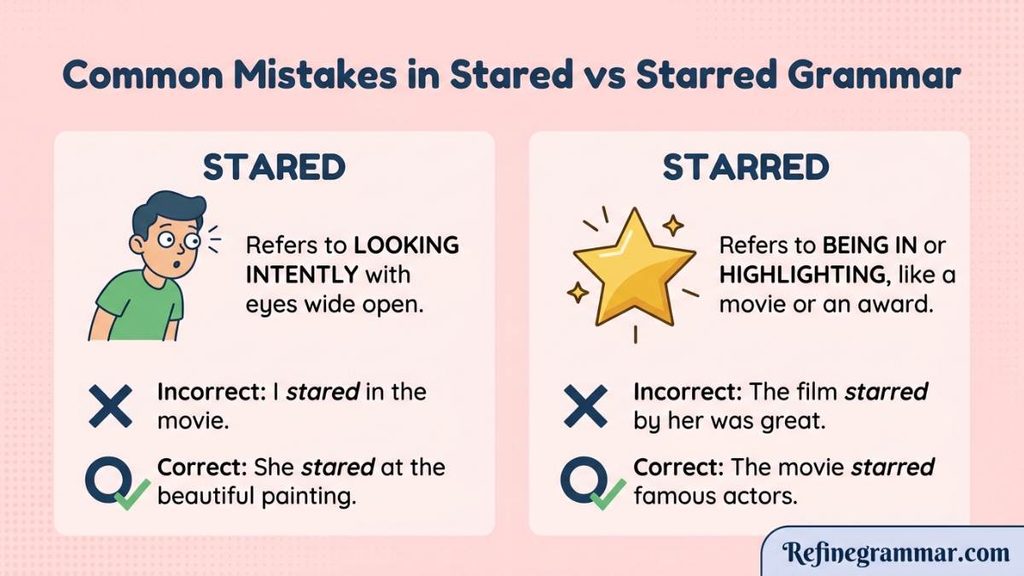
Writers often swap these words simply because of how similar they sound out loud, especially in fast speech or informal texting.
Error Analysis Table
| Mistake | Correction | Reason |
| “He stared in the film.” | He starred in the film. | Wrong verb for acting context. |
| “She starred at the wall.” | She stared at the wall. | Wrong verb for a fixed gaze. |
| “I star the page yesterday.” | I starred the page yesterday. | Missing past tense form. |
| “He star at her.” | He stared at her. | Wrong tense and missing “d.” |
Why People Confuse Stared and Starred
The confusion isn’t random. It comes from a mix of pronunciation overlap, visual similarity, and the fact that both words are common in everyday and entertainment writing.
Confusion Factors Table
| Factor | Explanation |
| Similar sound | Both words share a near-identical pronunciation pattern. |
| One-letter spelling gap | Only the doubled “r” separates them visually. |
| Frequent entertainment use | “Starred” appears often in movie and TV contexts. |
| Autocomplete errors | Predictive text sometimes suggests the wrong form. |
Context MattersThe Key to Accuracy
Reading the sentence’s subject usually resolves any doubt. If a person is looking at someone or something, you need “stared.” If a person appears in a production or marks an item, you need “starred.”
This distinction also matters for learners searching stared in Urdu or stared meaning in Urdu, since translation apps sometimes blend both words into a single local term. In Urdu, “stared” typically translates closer to a fixed gaze, while “starred” relates to playing a leading role or marking something with a star. A similar mix-up shows up when people search for starred meaning in Sindhi, where regional translations can blur the line between “gazing” and “featuring” unless the context is made explicit.
Learn More: Comment vs Coment: The Correct Spelling (Simple Guide)
Context Table
| Language Query | Closest Meaning |
| Stared in Urdu | Fixed gaze (gharna) |
| Starred meaning in Urdu | Leading role / marked with a star |
| Starred meaning in Sindhi | Marked with a star symbol |
Staring vs StarringExtended Clarification
The present-tense cousins of these words follow the same pattern. “Staring” is the continuous form of stare, while “starring” is the continuous form of star.
Comparison Table
| Word | Tense | Example |
| Staring | Present continuous | She is staring out the window. |
| Starring | Present continuous | He is starring in a new drama. |
| Stared | Past | She stared out the window. |
| Starred | Past | He starred in a new drama. |
Synonyms and Related Vocabulary Expansion
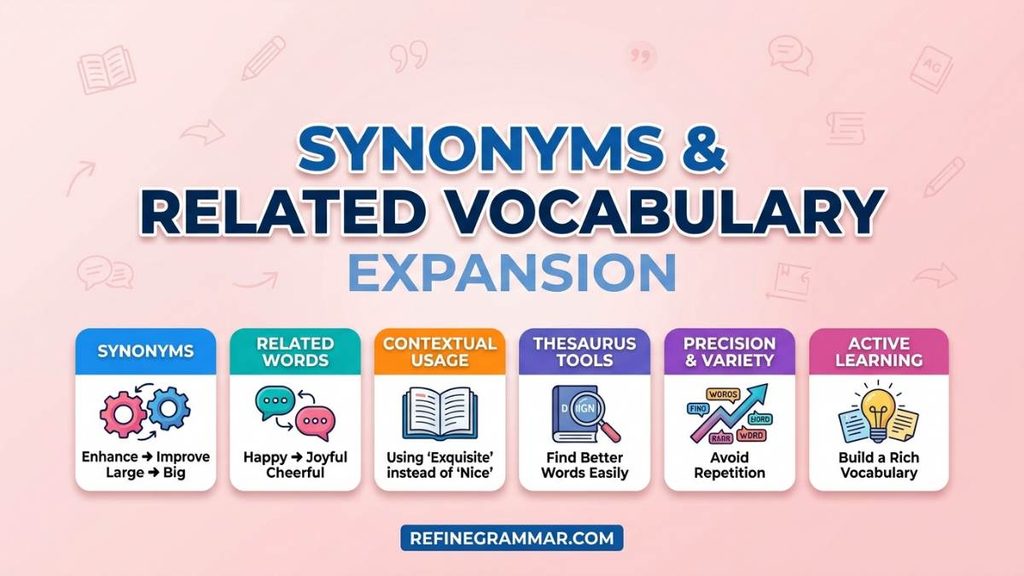
Expanding your vocabulary around these words helps with both writing variety and search understanding, including queries like difference between star and asteriskwhere an asterisk is the punctuation symbol (*), while a star can refer to the shape, the celestial object, or a metaphor for fame.
Synonym Table
| Word | Synonyms |
| Stared | Gazed, gawked, glared, watched intently |
| Starred | Featured, headlined, marked, flagged |
Pronunciation
Despite the spelling difference, “stared” and “starred” sound nearly the same in most English accents, which is exactly why writers mix them up.
Pronunciation Table
| Word | IPA (US) | Rhymes With |
| Stared | /steərd/ | Feared, cleared |
| Starred | /stɑːrd/ | Barred, marred |
Memory TechniqueRetain the Difference Easily
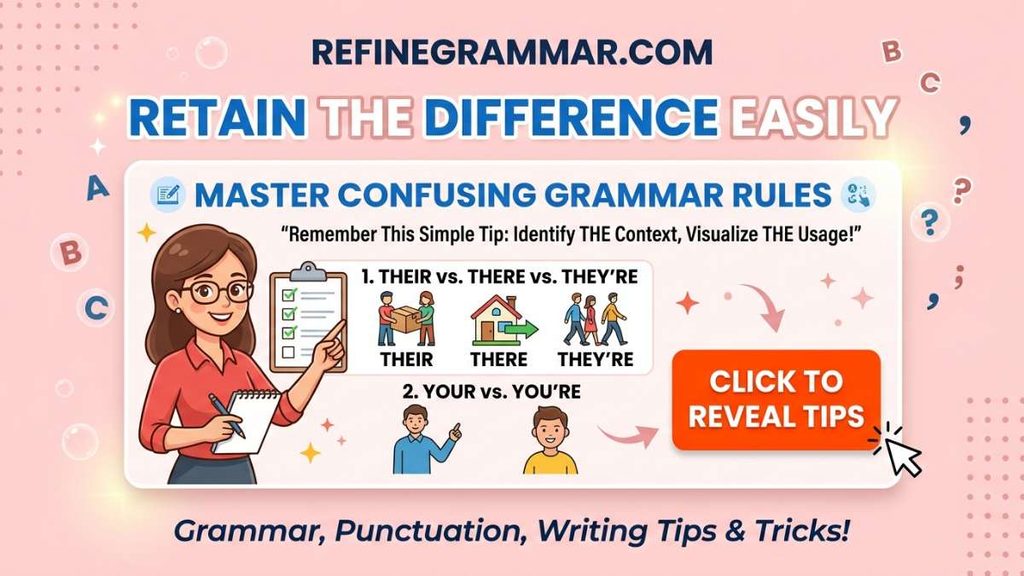
A simple mental trick locks in the stared vs starred rule for good: picture a person “staring” with wide eyes (one “r,” one long look), versus a movie poster with a “star” bursting into two “r’s” for fame.
Memory Table
| Trick | Word |
| One eye, one “r” | Stared |
| Two roles, two “r’s” | Starred |
Practice ExercisesStared vs Starred
Fill in the Blanks
- She ______ at the painting for ten minutes.
- The film ______ two well-known actors.
- He ______ the important rows in the spreadsheet.
- They ______ at each other in silence.
Multiple Choice Questions
- Which word fits: “He _____ in disbelief.” a) Starred b) Stared
- Which word fits: “The show _____ a rising comedian.” a) Starred b) Stared
Context-Based Practice
Write one sentence using “stared” to describe an emotional reaction, and one using “starred” to describe a film credit. Compare your sentences against the tables above to check accuracy.
FAQs
Which is correct: “stared” or “starred”?
Both are correct, but they mean different things”stared” means looked fixedly, “starred” means featured or marked.
Is “stared” a real word?
Yes, it’s the standard past tense of “stare.”
Is it correct to say “starred in” or “stared in”?
“Starred in” is correct for acting roles; “stared in” is only valid literally, like staring in through a window.
What is the meaning of “starred”?
It means to feature as a lead performer, or to mark something with a star.
What’s the difference between staring and starring?
Staring is looking fixedly; starring is holding a leading role or being marked with a star.
Is it spelled “staring” or “starring”?
Both spellings exist for different verbs”staring” from stare, “starring” from star.
What is a better word for “starred”?
“Featured” or “headlined” work well as alternatives.
What is another word for “starred”?
“Flagged” or “marked” also fit, depending on context.
Is “stared” a valid Scrabble word?
Yes, “stared” is a valid word in standard Scrabble dictionaries.
What’s a fancy word for “staring”?
“Gazing” or “transfixed” both work as more formal alternatives.
Final Thought
The stared vs starred mix-up boils down to one letter and two completely different verbs. Once you remember the “r” rule and check the preposition nearby, you’ll pick the right word every time. Keep the tables above handy, and this confusion won’t trip you up again.
